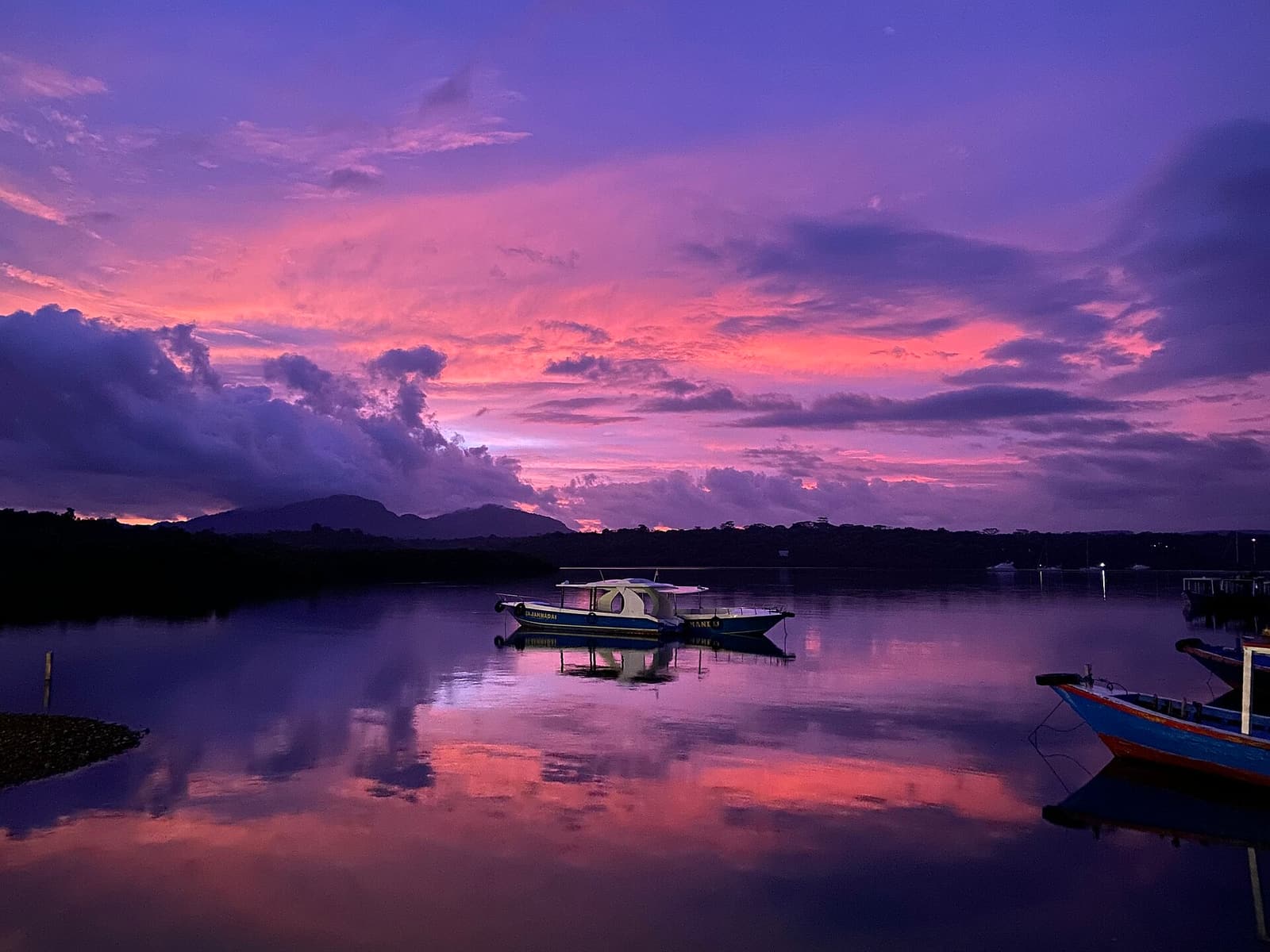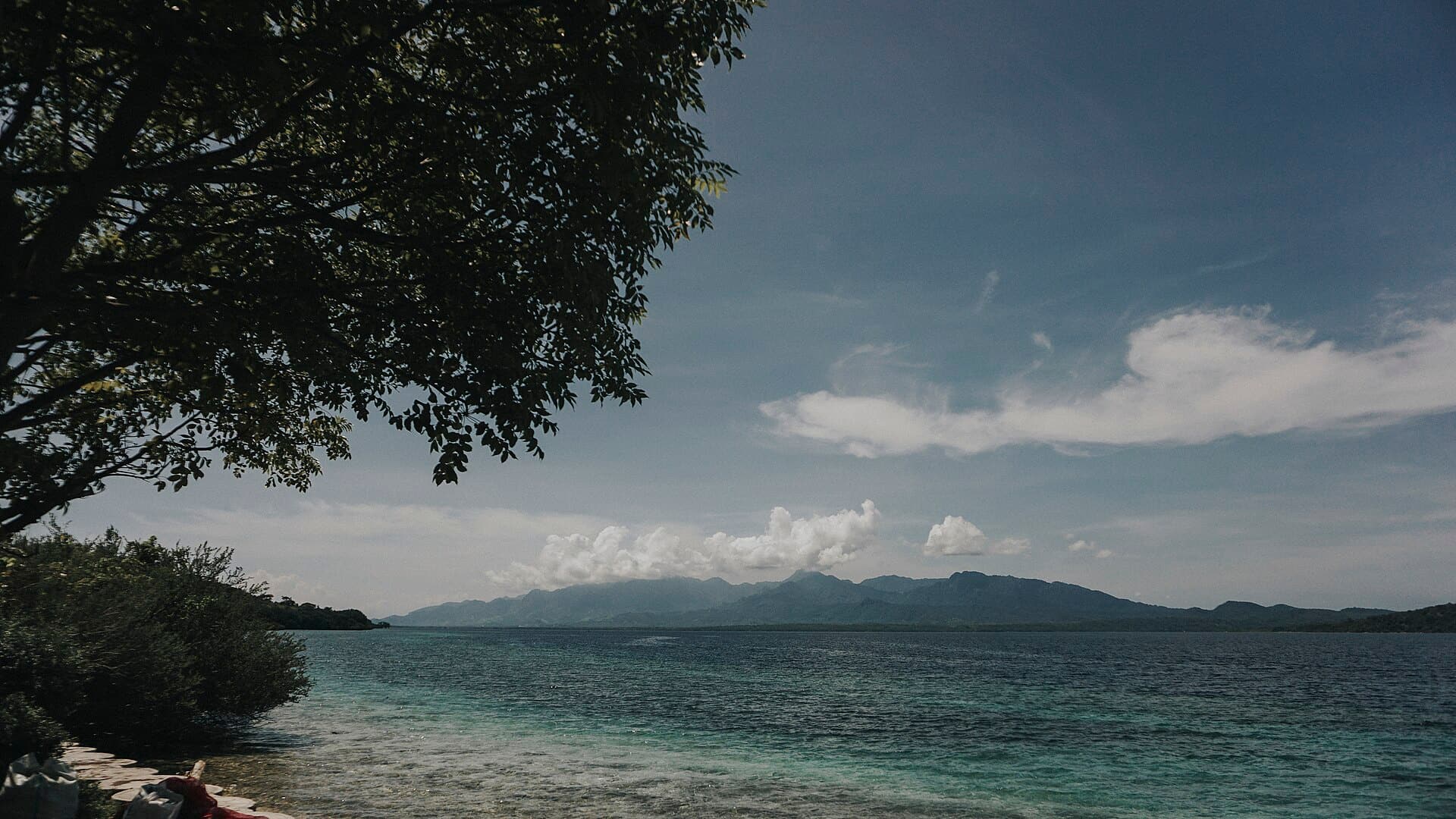
Pemuteran is not the Bali of beach clubs and traffic jams. It is a fishing and farming village of a few thousand people on a calm bay in the district of Gerokgak, Buleleng, where tourism arrived late and on the village’s own terms. This guide covers how to plan it well — how long to stay, how to get in the water, what the entry rules are and what things really cost.
A village that rebuilt its reef
In the 1990s the reefs off Pemuteran were badly damaged by bomb and cyanide fishing and by coral bleaching. Instead of giving up, the village, local dive operators and hoteliers set up community reef guards (pecalang laut) and, from 2000, one of the world’s largest Biorock coral restoration projects, in which corals grow on steel frames charged with a safe, low-voltage current. The project has since won international recognition, including a UN Equator Prize, and the healthier reef is now the village’s living.
How long do you need?
- Two nights — enough for Menjangan and a Biorock snorkel, but the long drive makes it feel rushed.
- Three to five nights — the sweet spot: Menjangan, a dive or two, Pura Pulaki, a hot spring and a day trip inland or to Lovina.
- A week or more — for divers, or to add Ijen crater in Java and really slow down.
Getting there
Fly into Bali’s Ngurah Rai Airport (DPS). Pemuteran is at the other end of the island, four to five hours by road; most people book a private driver, or break the journey in Ubud or Munduk. Coming overland from Java, the ferry from Ketapang lands at Gilimanuk, 40 minutes away. Our getting here guide compares every option.
What to see and do
 Pemuteran village & reef
Pemuteran Beach
A calm, dark-sand bay with the reef at your feet
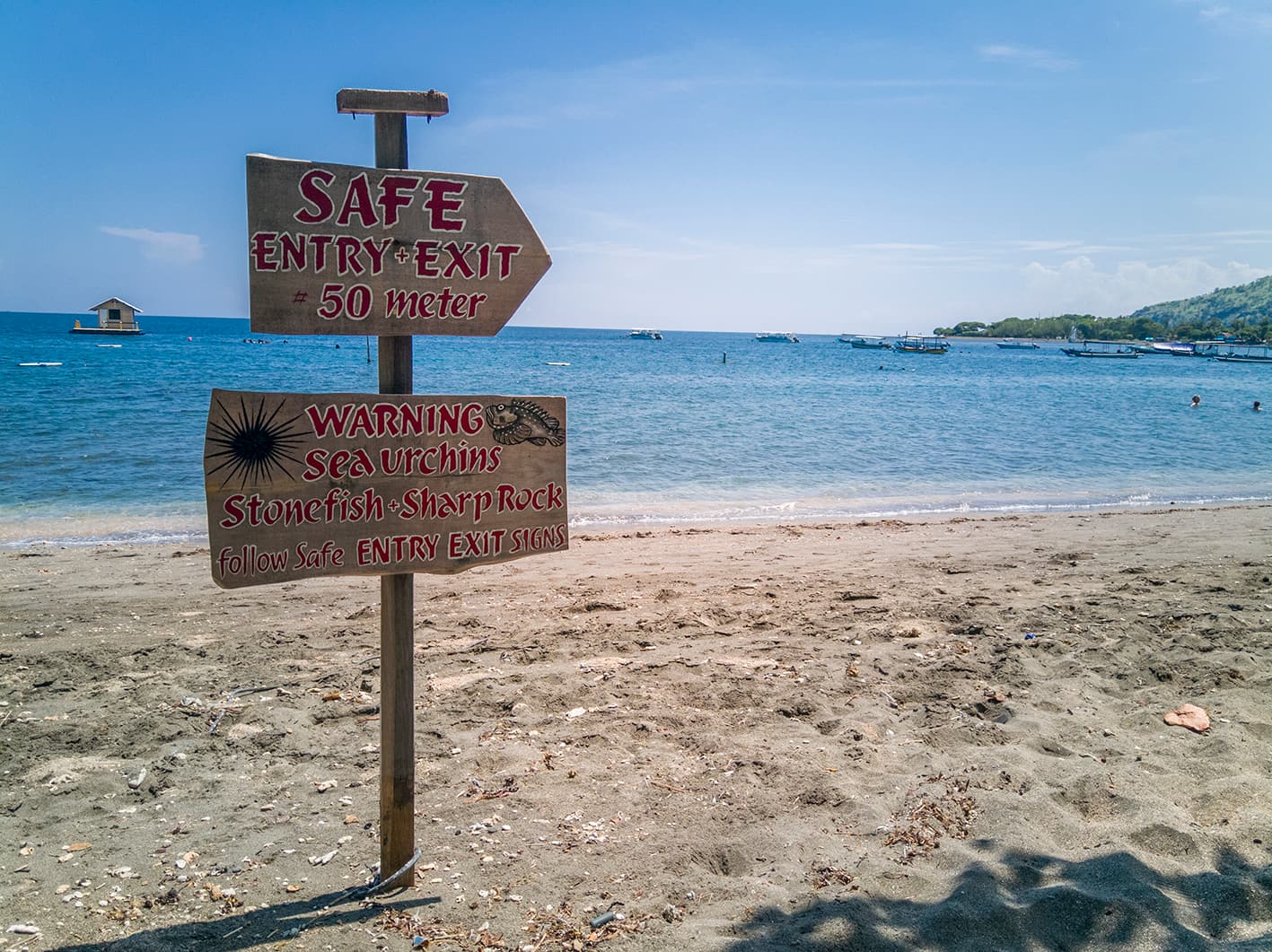
A long curve of grey volcanic sand on a sheltered bay, backed by the hills of West Bali National Park. The sea is flat for most of the year, fishing boats are drawn up on the sand, and the Biorock reef lies just offshore — this is a beach for snorkelling and sunsets rather than sunbathing.
 Pemuteran village & reef
Biorock Reef
One of the world’s largest coral restoration projects
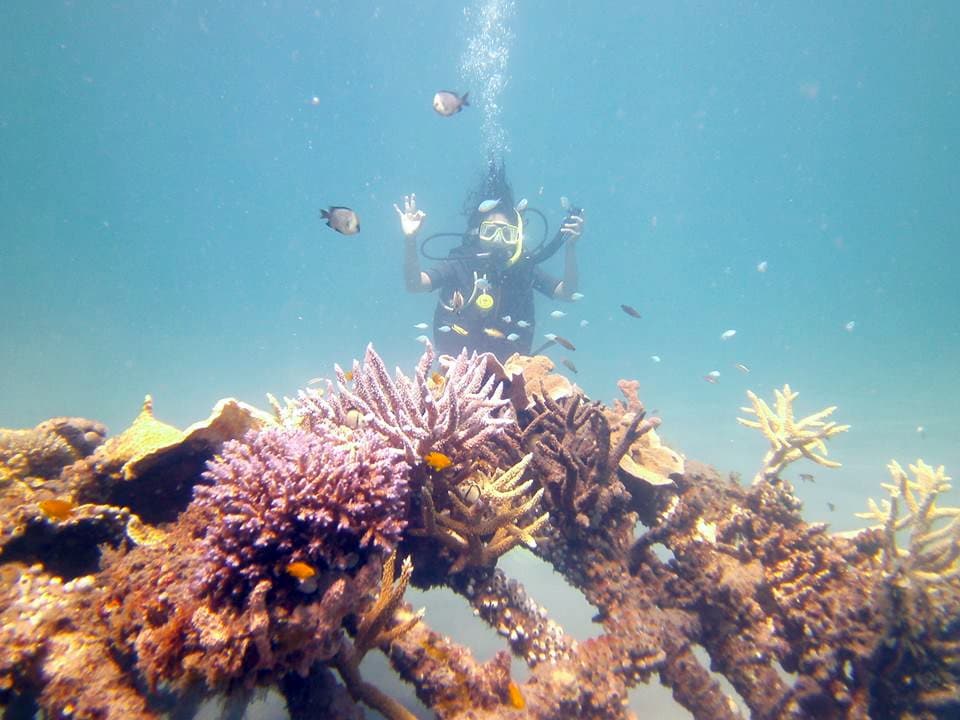
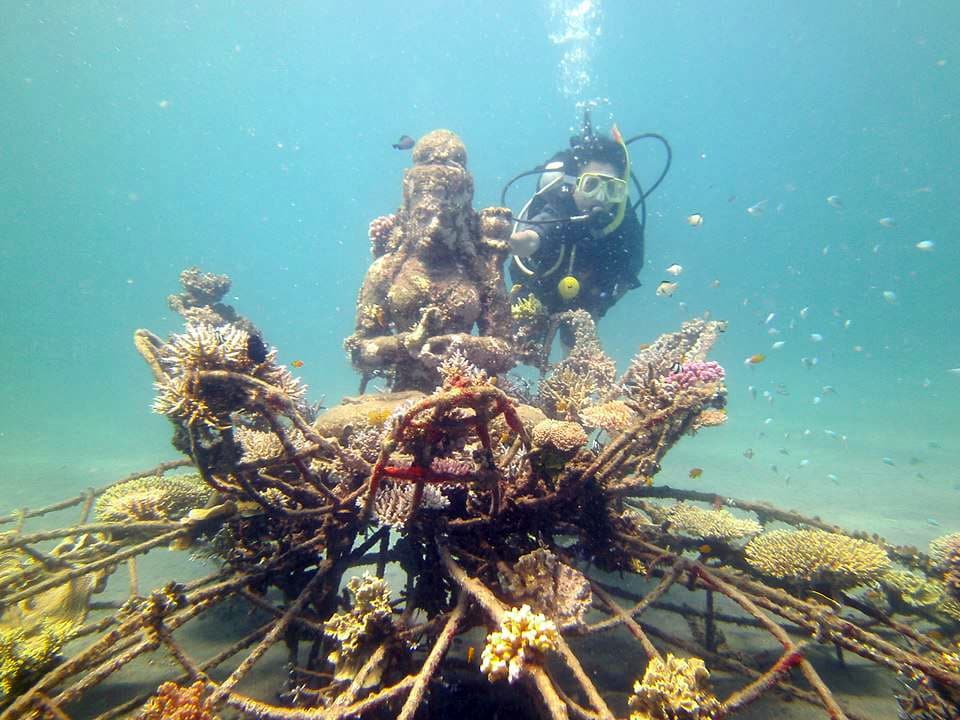
Since 2000 the village has grown new reef on dozens of steel structures charged with a safe, low-voltage current, which helps coral grow faster and survive heat stress. Today the structures are covered in coral and fish, and you can snorkel over them straight from the beach.
 Pemuteran village & reef
Underwater Temple Garden
Statues and shrines on the sea floor
Off Pemuteran, Balinese-style statues and temple gates have been sunk as artificial reefs. The deeper garden is a dive site; newer statues set among the Biorock structures sit in shallow water, where snorkellers can see them grow a skin of coral and sponges.
 Pemuteran village & reef
Pura Pulaki
A sea temple guarded by monkeys
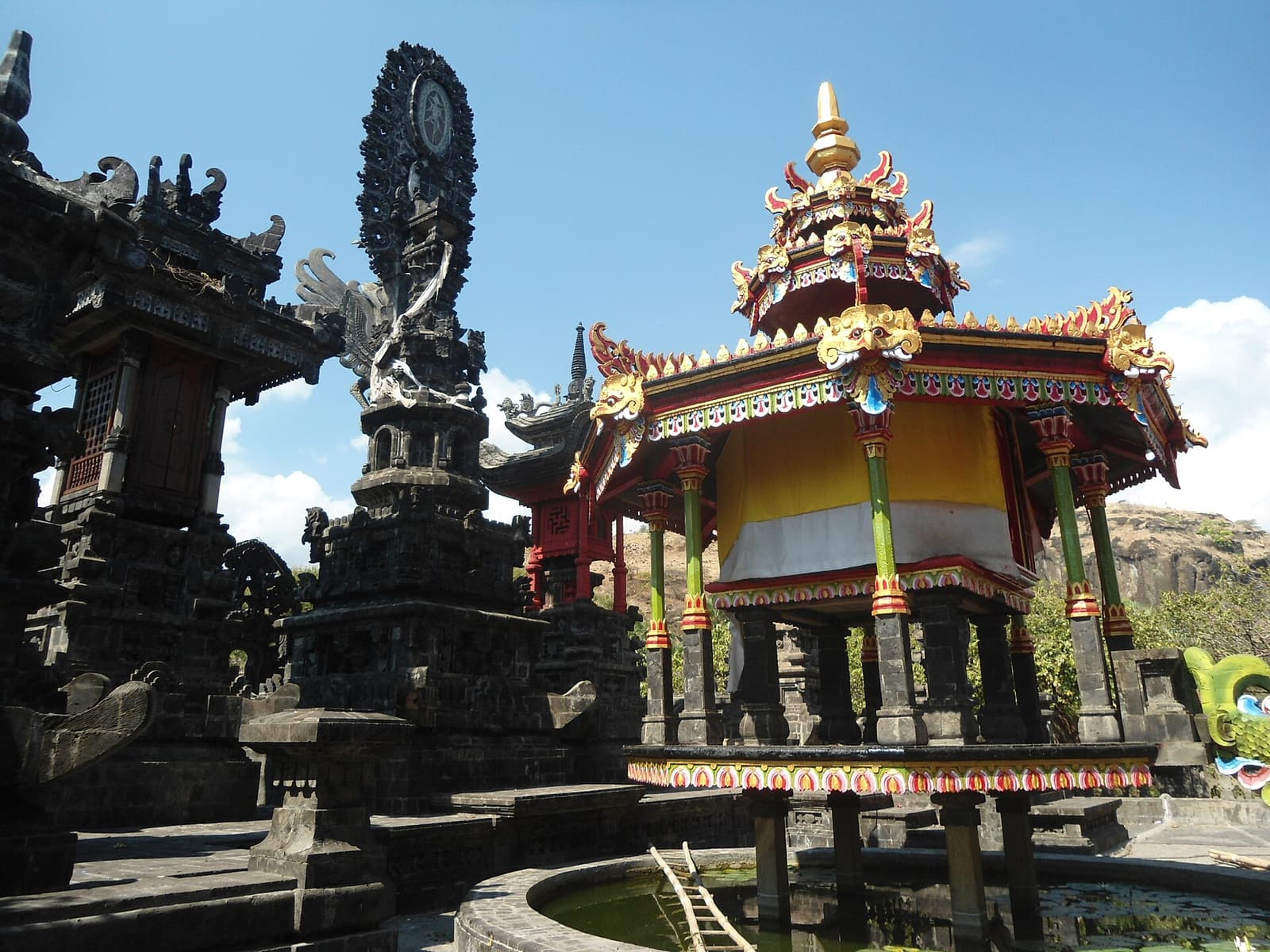
A major temple built against a cliff above the coast road a few kilometres east of Pemuteran, linked to the 16th-century priest Dang Hyang Nirartha. Hundreds of long-tailed macaques live around it, and nearby temples such as Pura Melanting make a short, atmospheric circuit.
See all of them, with directions and tours, in our things to do guide.
Entry rules: visa, levy and health
- Visa: many nationalities, including most European, get a 30-day visa on arrival (VoA), extendable once for another 30 days. You can buy it online in advance as an e-VOA through the official Indonesian immigration website, which speeds up arrival. The fee is IDR 500,000 at the time of writing. Your passport must be valid for at least six months.
- Bali tourist levy: since February 2024 international visitors pay a one-off levy of IDR 150,000 per person per visit, payable online (via the official Love Bali site or app) before arrival or at the airport.
- Customs declaration: Indonesia uses an electronic customs declaration (e-CD); fill it in online shortly before arrival.
- Health: no vaccinations are required for most visitors, but talk to a travel clinic about routine vaccines and dengue risk. Use repellent at dawn and dusk. Drink bottled or filtered water — most hotels provide refills.
Entry rules and fees change. Check the official Indonesian immigration and Bali government sources, or your airline, shortly before you travel, and always use the official sites rather than agents.
What it costs
Pemuteran is good value by Bali standards, and covers every budget:
| Item | Typical price |
|---|---|
| Menjangan snorkelling trip with lunch | from ≈US$26 (check whether park fees are included) |
| Fun dive at Menjangan | from ≈US$58; two-dive days more — compare dive centres |
| Snorkel gear rental in the village | a few US dollars a day |
| Turtle hatchling release | a small donation to the project |
| Hot spring entry (Banyuwedang, Banjar) | a modest fee in rupiah |
| Meal in a local warung | ≈US$2–5 |
| Dinner in a hotel or tourist restaurant | ≈US$8–20 |
| Homestay or guesthouse, double | from roughly US$25–40 |
| Beachfront resort or villa, double | roughly US$70–200+, far more in the national park |
What to eat
Balinese food is built on base genep, a rich paste of shallots, garlic, galangal, turmeric, chilli and spices. Try nasi campur (rice with a little of everything), sate lilit (minced fish or chicken wrapped around lemongrass), ayam betutu (slow-cooked spiced chicken), lawar and fresh grilled fish with sambal matah. Fishermen land their catch on the beach in the mornings, and many hotel restaurants cook it the same evening.
The village has a mixed Hindu and Muslim community, so you will find Javanese and Madurese dishes alongside Balinese ones, and halal warungs as well as the pork dishes Bali is famous for elsewhere.
Where to stay
- Pemuteran beach — resorts and villas along the bay, right on the Biorock reef.
- The village and main road — dive lodges, homestays and guesthouses, a short walk from the sand.
- The Menjangan side — secluded resorts at Banyuwedang and inside West Bali National Park, closest to the island.
We compare the best of each, with live rates, on our where to stay page.
Practical details
- Money: the currency is the Indonesian rupiah (IDR). Hotels and dive centres usually take cards; warungs, drivers and park fees are cash. There are a few ATMs in and near the village, but they can run dry at weekends — carry enough cash, and withdraw in the south or in Lovina too.
- Language: Indonesian and Balinese. English is widely spoken in hotels and dive centres. Terima kasih (thank you) and selamat pagi (good morning) go a long way.
- Temples: wear a sarong and sash to enter any temple (usually lent at the gate), and keep shoulders covered. Do not climb on shrines or stand higher than priests during ceremonies.
- Power: Type C/F (European two-pin) sockets, 230 V.
- Connectivity: 4G is decent in the village; signal is weaker inside the national park and on Menjangan. A local SIM or eSIM is inexpensive.
- Safety: Pemuteran is safe and relaxed. The main risks are the sun, the roads at night and sea urchins on the reef — wear reef shoes and use a headlamp after dark.
What to pack
- Reef-safe sunscreen, a hat and a rash vest for long snorkels.
- Reef shoes or fins with booties for the coral-and-sand beach entries.
- A sarong for temples — useful for the beach too.
- Insect repellent and a small torch or headlamp.
- Warm layers, gloves and good shoes if you plan to hike Ijen at night.
- Enough cash in rupiah, and a dry bag for boat trips.
Common mistakes
- Underestimating the drive. Pemuteran is not a day trip from the south; give it at least three nights.
- Leaving Menjangan to your last day. If the sea is rough or the trip is cancelled, you have no second chance.
- Expecting nightlife and white sand. The beach is dark volcanic sand, and evenings are about dinner and stars.
- Standing on the Biorock structures or touching coral. It damages years of community work.
- Forgetting the time difference on an Ijen trip — East Java is an hour behind Bali.