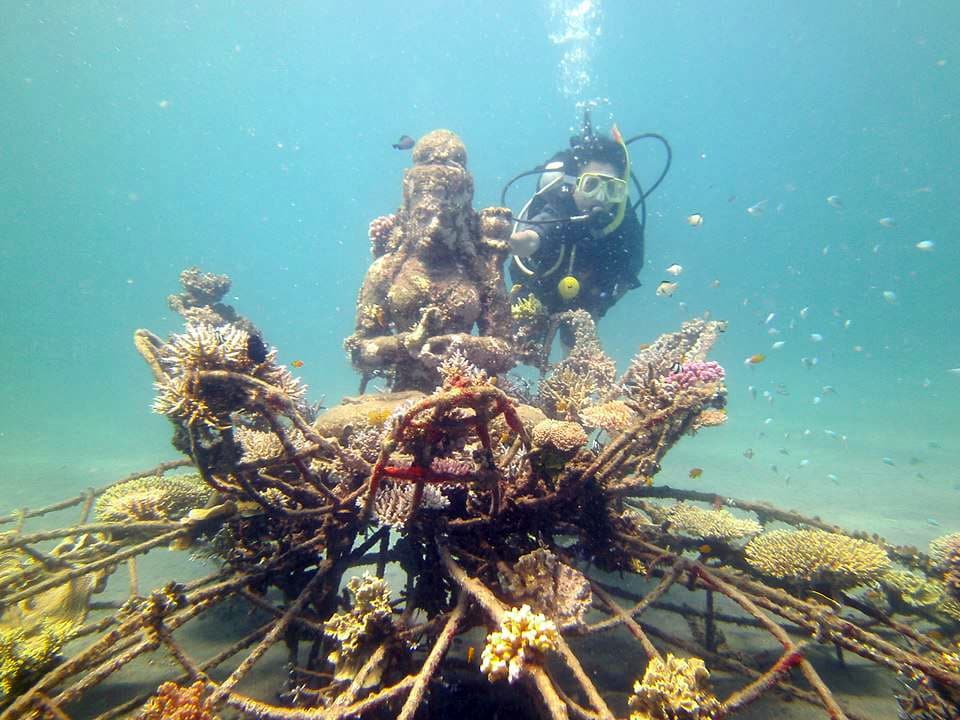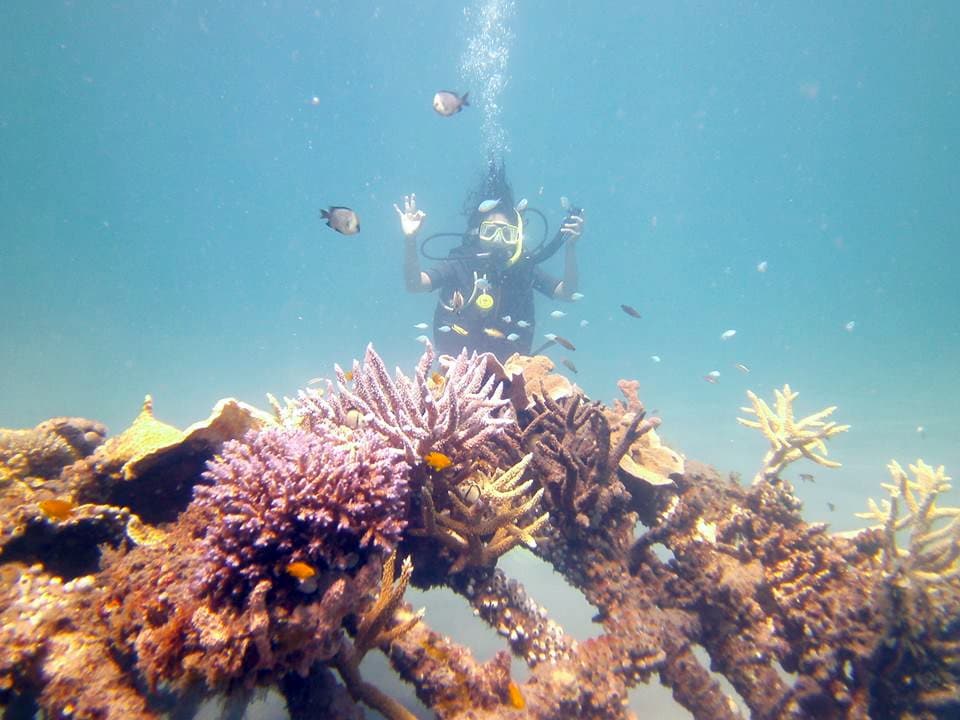
By the late 1990s the reefs around Pemuteran had been badly damaged by destructive fishing and by the 1998 coral bleaching event. In 2000 the village, local dive operators and hoteliers began working with the Global Coral Reef Alliance on a Biorock project, known locally as Karang Lestari (“everlasting coral”). Steel structures were sunk off the beach and connected to a safe, low-voltage electric current, which builds up limestone on the frames and helps corals attached to them grow faster and recover better from stress.
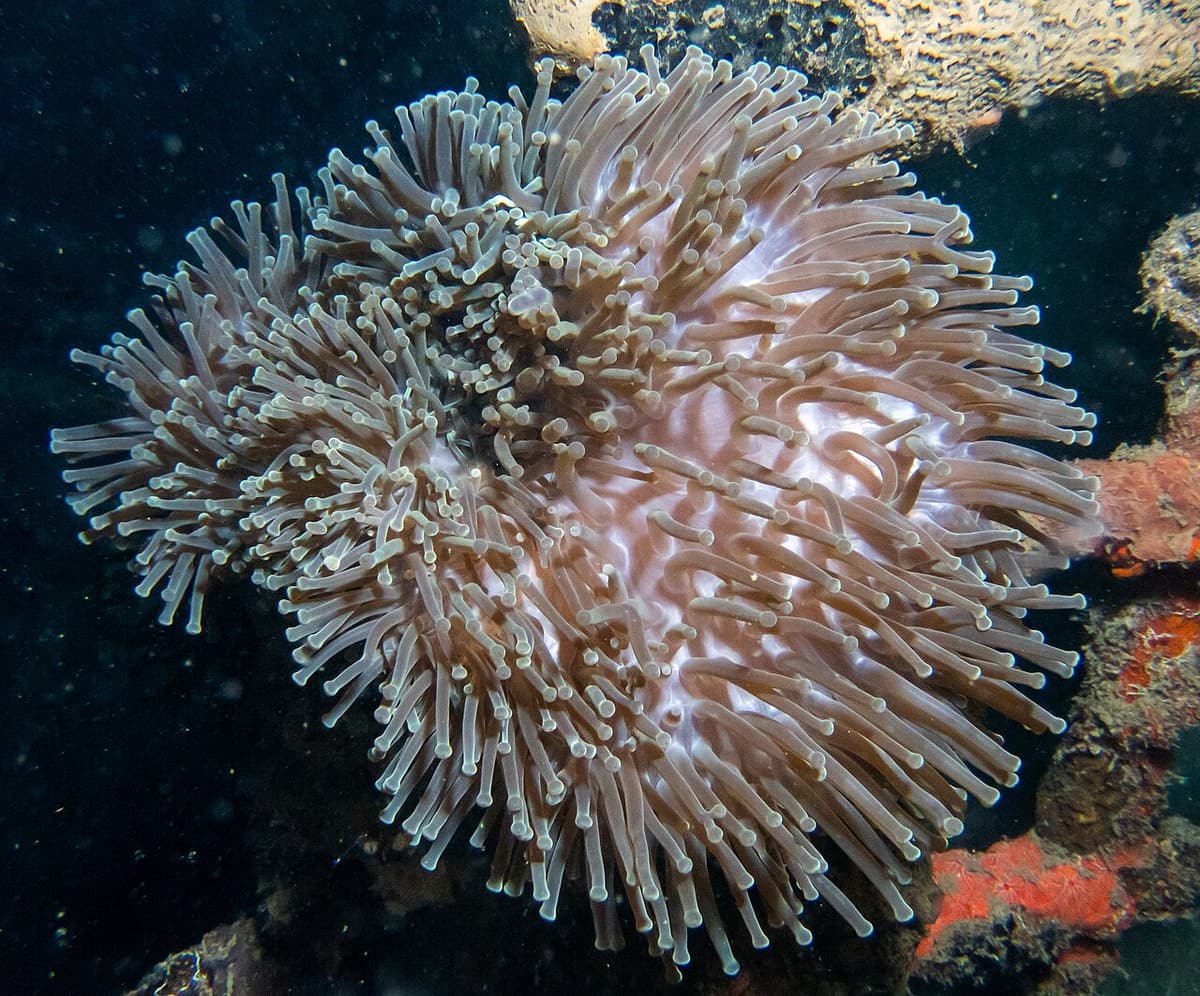
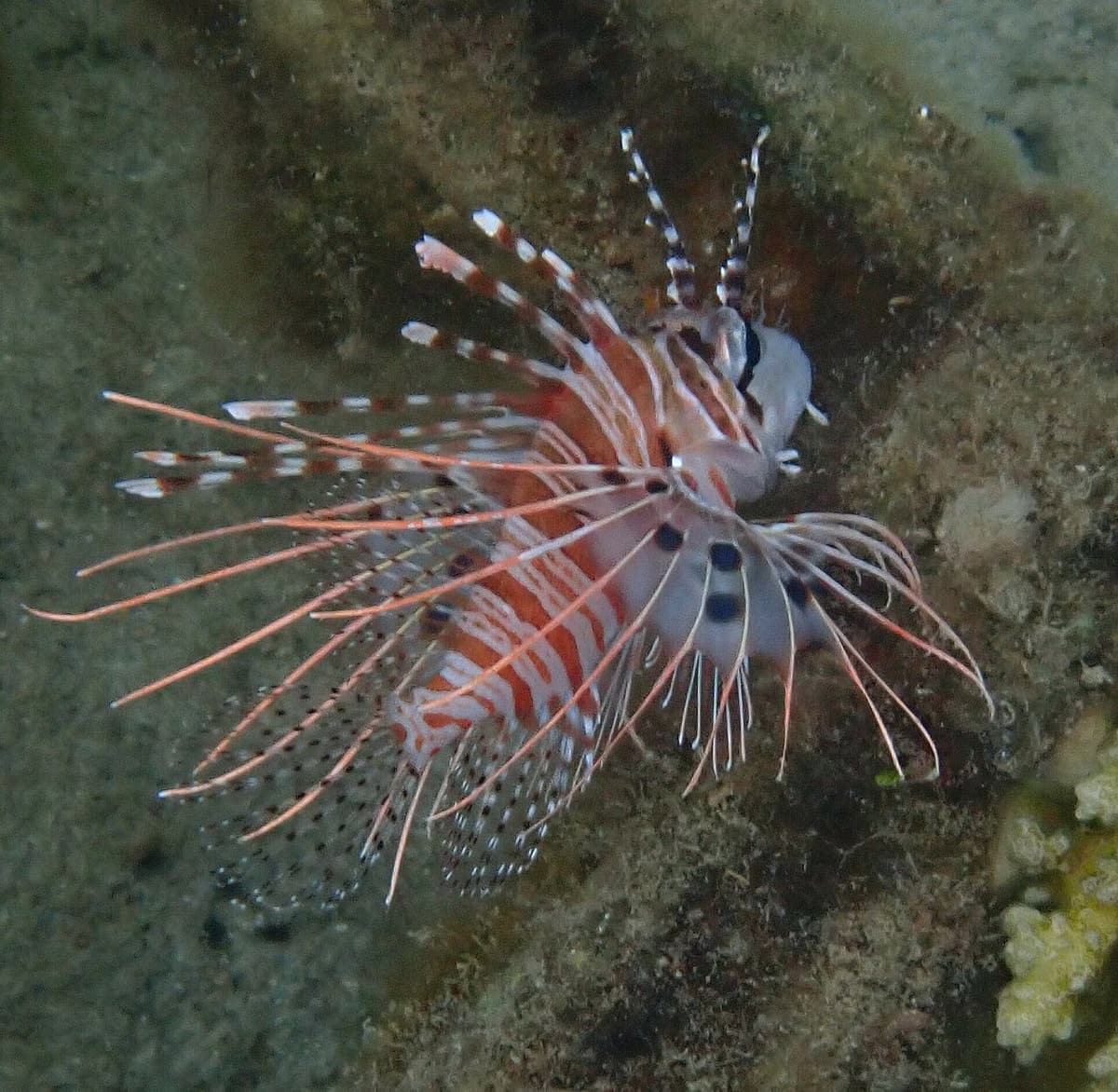
Today the project is often described as one of the largest of its kind in the world, with dozens of structures in all sorts of shapes lying in shallow water in front of the village. Many are now completely covered in coral, sponges and anemones, alive with damselfish, clownfish and juvenile reef fish. It has won international recognition, including a UN Equator Prize, and the recovered reef is a big part of why visitors come to Pemuteran.
Top things to do at Biorock Reef
Snorkel the structures from the beach
The structures lie in about 2–7 metres of water off the middle of the bay. Swim out from the beach in front of the hotels there; the Biorock information point on the beach can show you a map.
Dive it at dusk
Local dive centres run shallow dives and night dives on the Biorock reef, when crabs, shrimp and hunting fish come out. It is also a gentle site for first-time divers.
Support the project
The project is funded partly by visitors. Donations, or sponsoring a coral fragment or a small structure, help pay for electricity, maintenance and the community reef guards.
How to get to Biorock Reef
- From your hotel: the structures are off the central part of Pemuteran beach — walk along the sand and swim out.
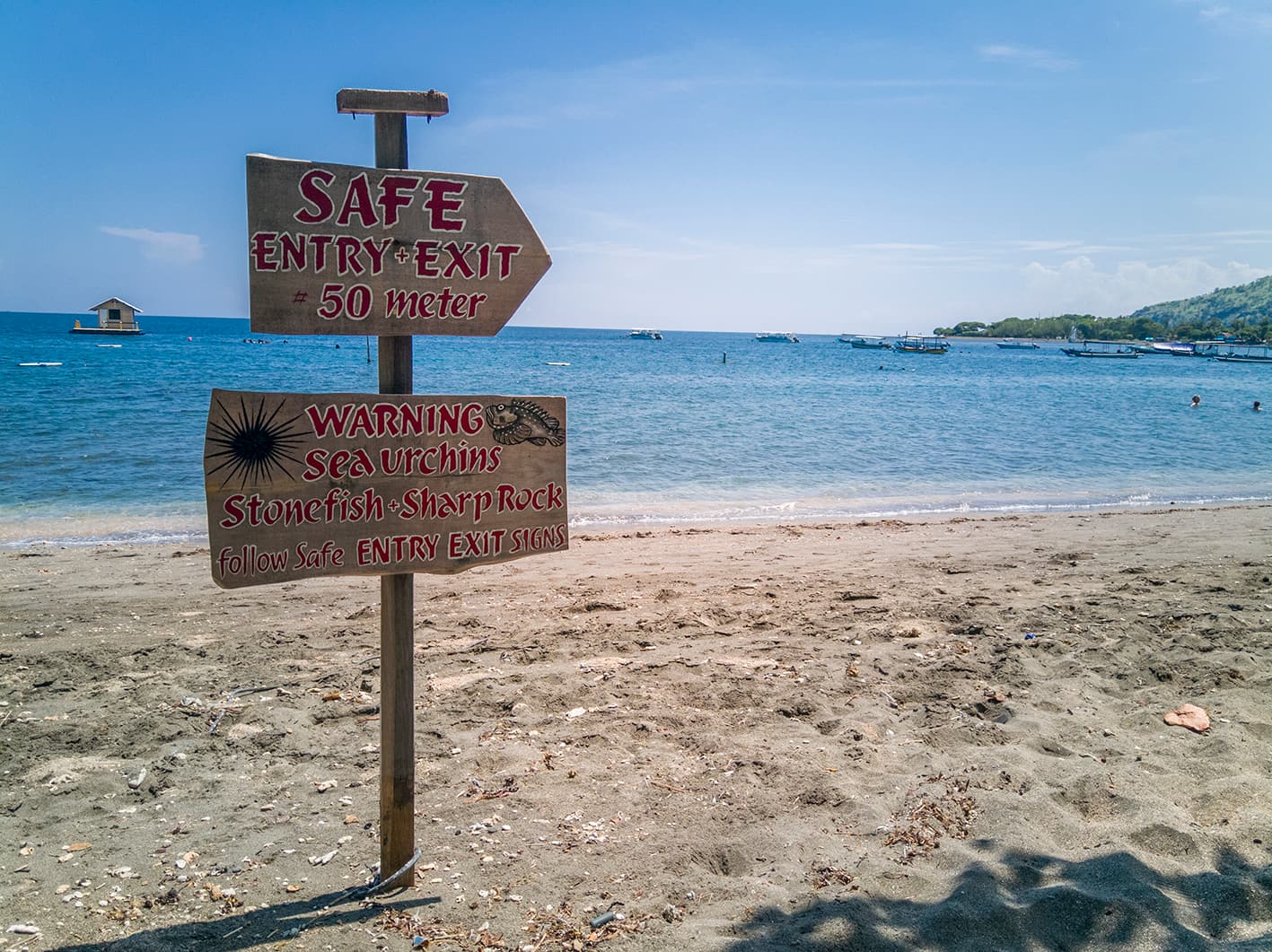
- Gear: hotels and dive centres rent masks, snorkels and fins; bring reef shoes for the entry.
- Guided: several Pemuteran dive centres offer guided snorkels and dives here.
Insider tips
- Look, do not touch. The structures carry only a weak current that is harmless to swimmers, but coral is fragile and some creatures sting.
- Keep your fins up and your body horizontal over the shallow structures, especially at low tide.
- Go in the morning for the calmest water, or late afternoon for warm light and more fish activity.
- Use reef-safe sunscreen, or better, a rash vest.
Best tours & tickets for Biorock Reef
These top-rated experiences are the easiest way to see Biorock Reef from Pemuteran:
 Scuba diving from $58
Basic Fun Dive at Menjangan Island
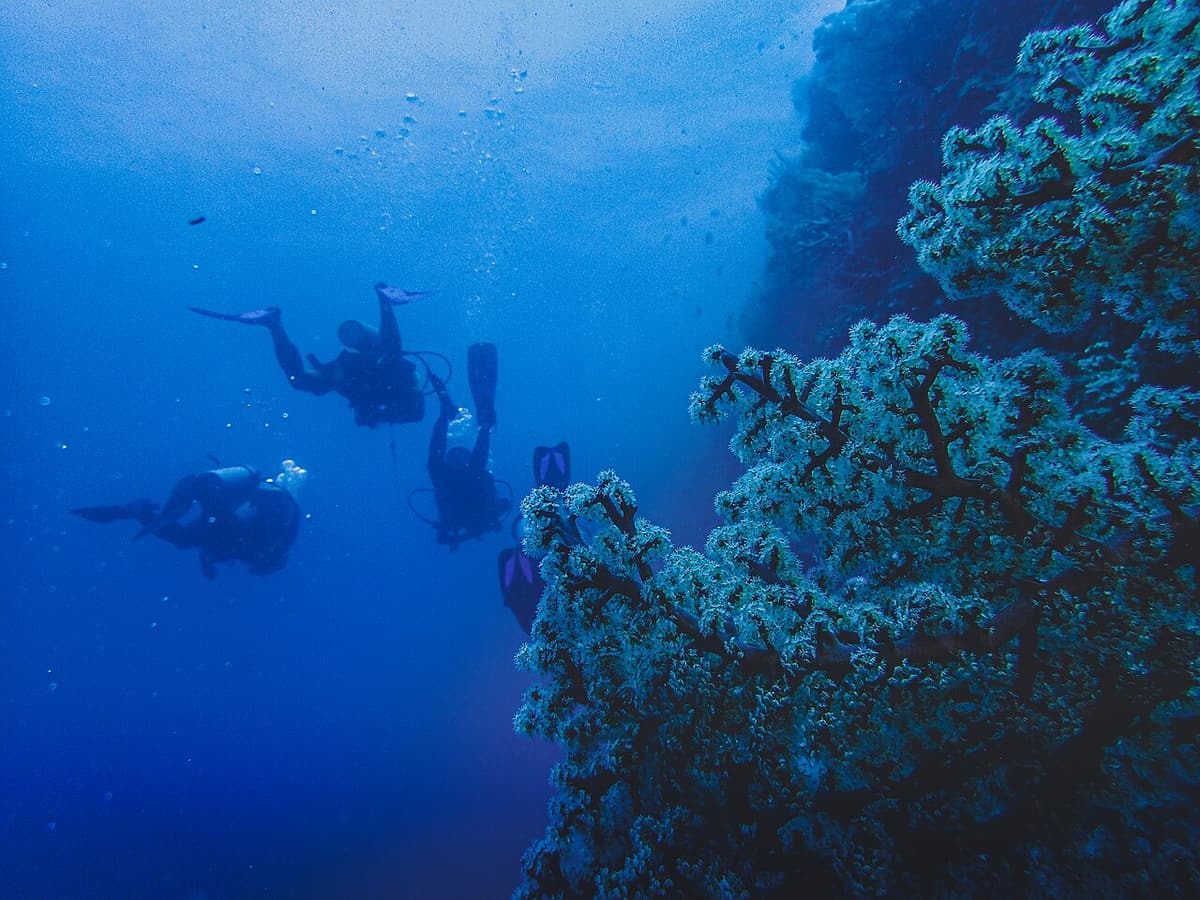
Menjangan’s walls start in a metre or two of water and drop to 30 metres or more, covered in sea fans, sponges and reef fish. This fun-dive trip from a Pemuteran dive centre is an easy way to dive it — check whether you need to be certified for the option you choose.
- Wall diving on one of Bali’s classic dive sites
- Gentle conditions most of the year
- Transfer from Pemuteran and guiding included
 Snorkelling from $26
Pemuteran: Menjangan Island Snorkeling Trip with Lunch
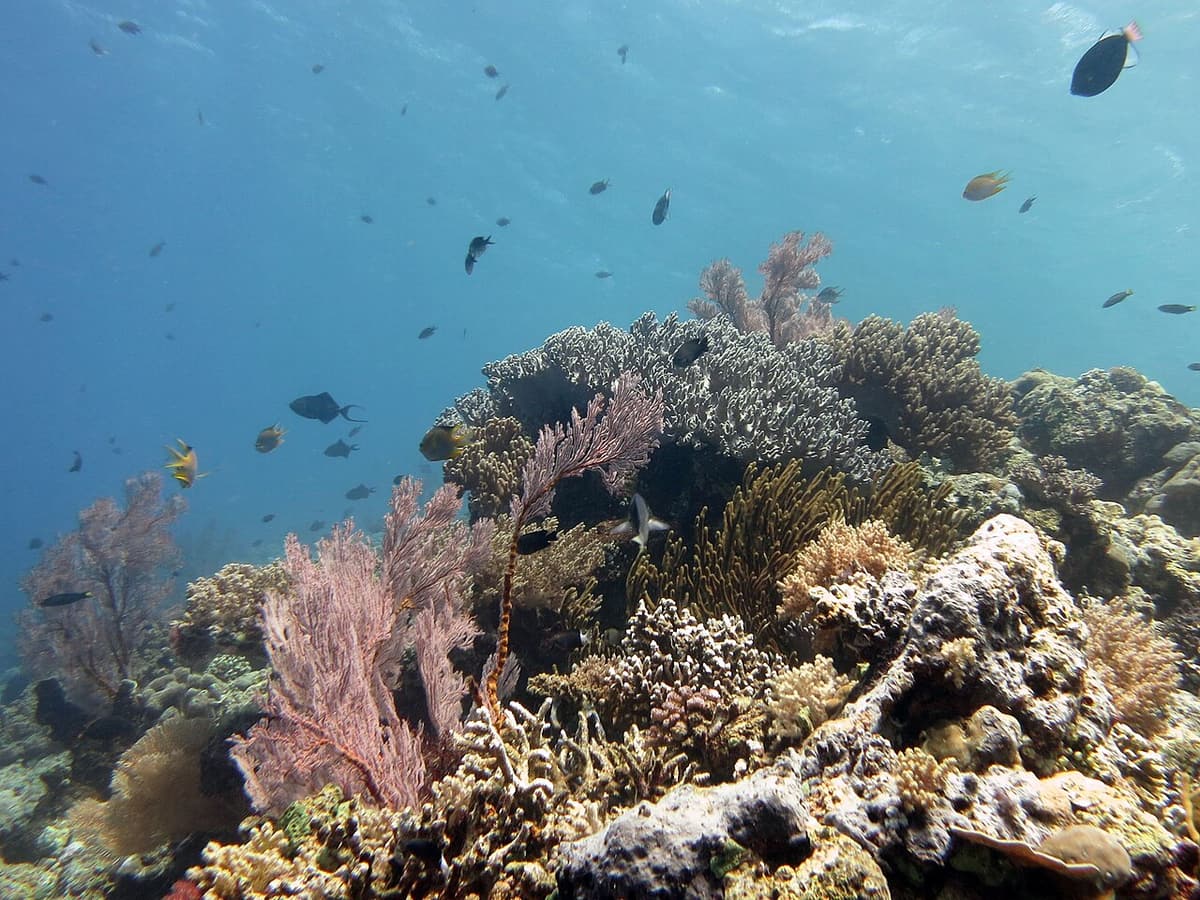
The best-reviewed Menjangan trip on the market. A boat takes you into West Bali National Park to snorkel the island’s famous reef walls, where the coral drops away into deep blue just metres from the surface. Lunch is on the beach, often watched by the island’s tame Javan deer.
- Two snorkel stops on Menjangan’s coral gardens and walls
- Picnic lunch on the island, with wild deer nearby
- Hotel pickup in Pemuteran, gear included
 Scuba diving from $110
Menjangan Island: Scuba Diving Trip with Lunch
A scuba trip to Menjangan with lunch, run from Pemuteran. It is new on GetYourGuide, so there are no reviews yet — compare it with the fun-dive listing and the village dive centres before you book.
- Dive Menjangan’s walls and coral gardens
- Lunch included between dives
- For certified divers